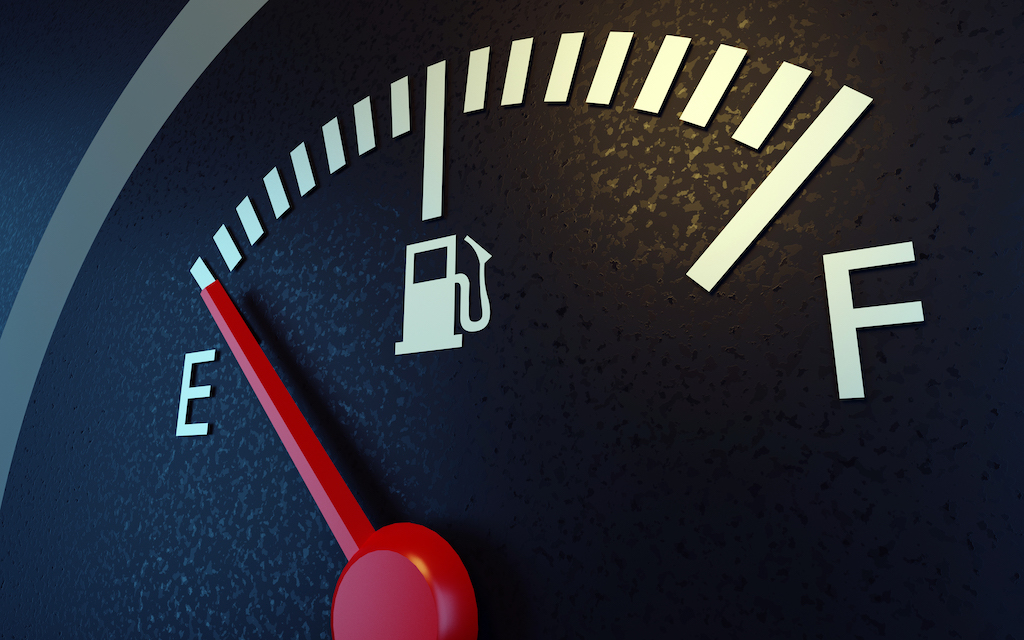
Improving fuel efficiency not only saves money but also reduces vehicle wear and environmental impact. Small changes in driving habits and vehicle maintenance can significantly lower fuel consumption over time.
Drive Smoothly and Avoid Rapid Acceleration
Aggressive acceleration and hard braking increase fuel usage. Gradual acceleration and smooth braking help maintain consistent engine performance and reduce unnecessary fuel burn.
Maintaining steady speeds, especially on highways, improves efficiency.
Maintain Proper Tire Pressure
Underinflated tires increase rolling resistance, forcing the engine to work harder and use more fuel. Check your tire pressure regularly and ensure it matches the manufacturer’s recommended level.
Properly inflated tires also improve handling and safety.
Reduce Excess Weight
Carrying unnecessary weight in your vehicle can reduce fuel efficiency. Remove heavy items from the trunk or cargo area if they are not needed.
Even small weight reductions can improve fuel economy over time.
Keep Up with Regular Maintenance
A well maintained engine runs more efficiently. Replacing air filters, spark plugs, and engine oil at recommended intervals helps optimize performance.
A poorly maintained engine consumes more fuel and may lose power.
Limit Idling
Idling consumes fuel without moving the vehicle. If you are stopped for more than a minute, turning off the engine can help conserve fuel.
Modern vehicles are designed to restart efficiently without excessive fuel use.
Use Cruise Control on Highways
When driving at consistent highway speeds, cruise control can help maintain steady acceleration and reduce fuel consumption caused by speed fluctuations.
Small adjustments in driving behaviour can make a noticeable difference in long term fuel savings.